
Orca Ai
Develops advanced small-scale nuclear reactors for reliable, carbon-free power.
ABOUT Orca Ai
Advancing maritime autonomy through AI.
WHY THEY MADE THE LIST
It introduces intelligent autonomy to one of the world’s most complex transportation systems.
Computer Vision Navigation
Maritime AI Systems
Autonomous Shipping Enablement
Building trustworthy AI in traditional industries: lessons from the maritime world
By Yarden Gross
Every traditional industry reaches moments when rising operational complexity calls for new tools and new ways of working. Maritime shipping is experiencing one of those moments today.
It moves most of the world’s goods, yet it remains one of the least digitized sectors. Each voyage requires careful operational and financial management, from traffic and changing weather to newer challenges such as GPS spoofing, volatile fuel costs and safety risks that increase under fatigue or reduced visibility. When incidents occur, the impact reaches far beyond the vessel. Accidents can lead to human casualties, multi million dollar losses, complex investigations, delays across global supply chains and environmental consequences that take years to repair.
We recognized early however that these challenges were not only maritime issues, they reflected universal pressures felt across traditional sectors: rising complexity, workforce strain, increasing expectations and the need for technology that supports human judgment rather than replacing it.
Our journey reflects a broader leadership question: how do you introduce advanced AI into a conservative, mission critical industry in a way that builds trust, elevates performance and lays the foundation for future autonomy?
From shared experience to a shared mission
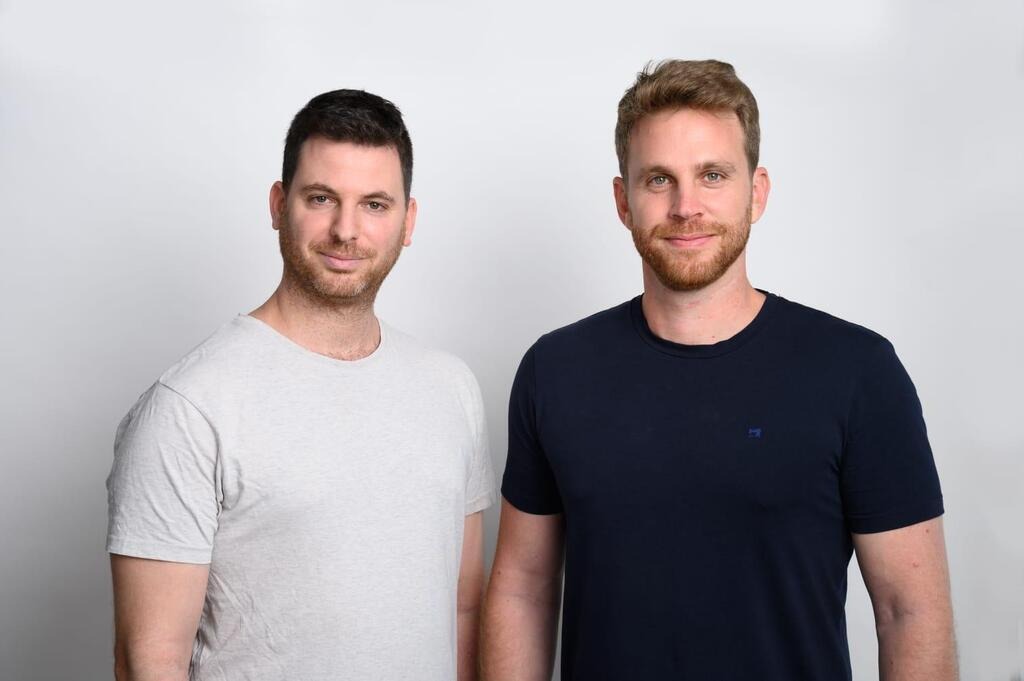
Orca AI’s story began long before its founding. Many years ago, my co-founder Dor Raviv and I found ourselves in recurring conversations about the technological advances reshaping mobility, aviation and satellite systems. Autonomy, AI and computer vision were rapidly evolving from experimental tools to practical infrastructure in those fields. We kept returning to the same question, why not maritime?
Both of us had spent significant time in maritime environments, and we understood the unique challenges of operating at sea and the potential of bringing advanced perception technology to the bridge. A later reunion turned this curiosity into a concrete concept, a vision to create something like a “Mobileye” for ships. At the time, the maritime world was not discussing AI, and autonomy at sea felt distant. Yet the gap was clear, ships were sailing with limited visibility into surrounding risks, operating in isolation and relying on tools that had not evolved alongside rising operational demands.
In 2018, we founded Orca AI with a mission to bring intelligent, data driven navigation to global shipping and to lay the groundwork for safer, more efficient and eventually autonomous operations.
Creating technology that fits the realities of operations
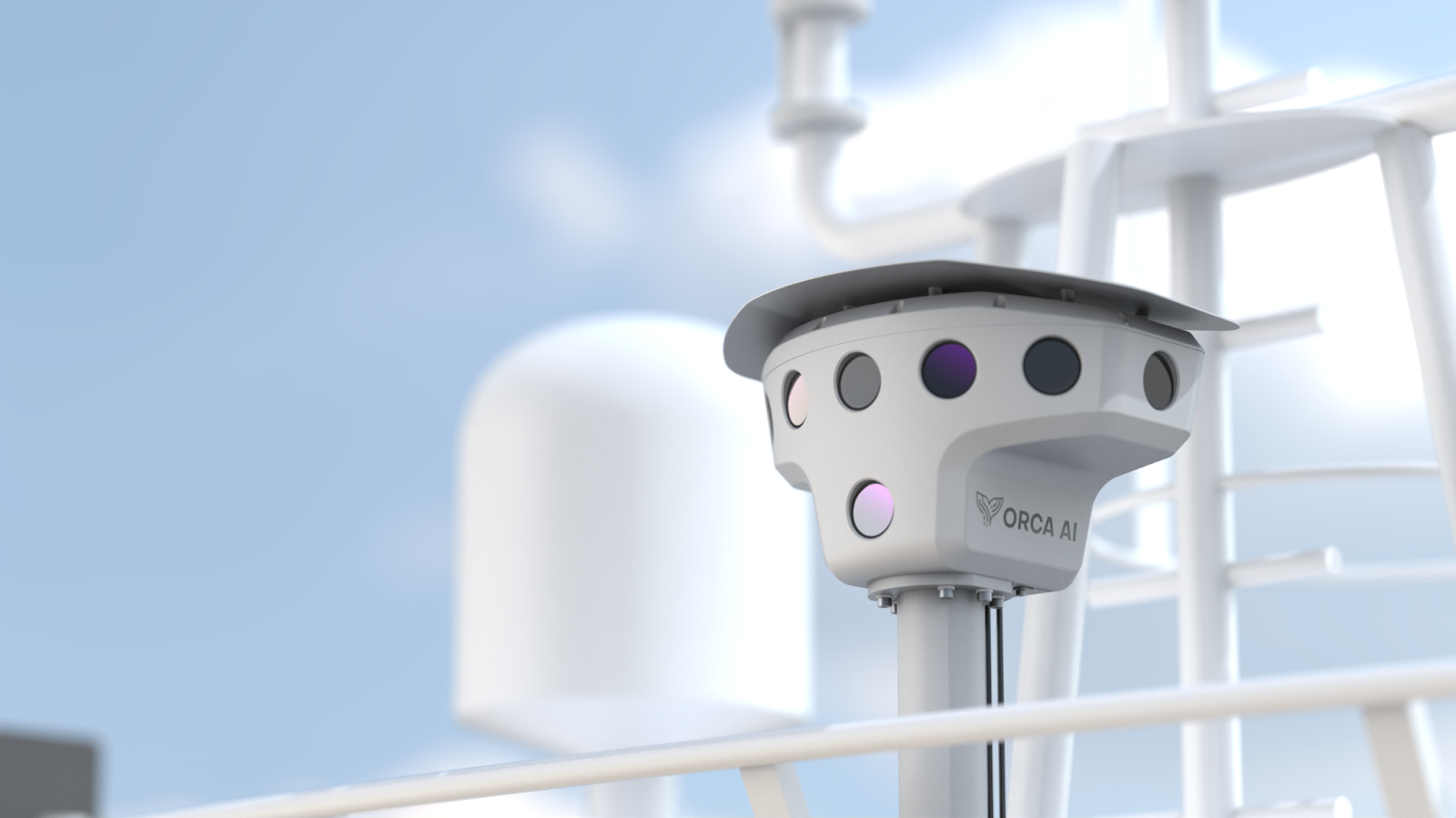
We built a team that brought operational experience together with deep learning expertise. This combination shaped the SeaPod, an AI enabled visual awareness tool that helps crews detect, interpret and prioritize surrounding traffic and hazards during high workload situations, including night operations and reduced visibility.
As more vessels deployed the system, it became evident that fleet managers also needed clearer, more consistent insight. Their view of operations was fragmented, with limited evidence to understand navigational events or fuel performance. FleetView was created to address this need. By consolidating events, imagery and operational data, it gives shore teams a unified picture of fleet activity and supports safer and more consistent decision making across the organization..
Early trials, including the world’s first autonomous merchant ship voyage with NYK in Japan, validated what we believed, AI could materially reduce navigational risk without changing the essence of seamanship. We also learned something essential that applies across traditional industries: advanced technology is embraced only when it supports people, rather than tries to replace them. This principle guided our design from the start. AI was built to ease cognitive load, reduce uncertainty and strengthen confidence without interfering with established practices.
Adoption grew steadily, as fleets were looking for dependable tools that fit into their operational cadence. This understanding drove our plug and operate installation process, which requires less than 10 hours in port. Our operations team now completes more than 60 installations per month with a 98.6 percent delivery accuracy rate, a strong result for hardware enabled AI deployed globally.
The impact has been substantial. Fleets using Orca AI report around 58% reductions in close encounter events, meaning fewer high risk situations and stronger safety margins. More predictable navigation helps deliver fuel savings that often exceed 100,000 dollars per vessel annually, and hundreds of thousands of tonnes of CO₂ have been avoided through steadier routing and improved speed decisions. For an industry responsible for a significant portion of global emissions, these gains matter.
As our footprint expanded beyond 1,000 vessels, another insight emerged. Each ship was generating valuable operational intelligence but operating alone, unable to share what it experienced. A vessel encountering spoofing, heavy fishing activity or an unexpected hazard had no way to inform the vessels behind it. This realization led to the next phase of our evolution.
Trust, transparency and responsible innovation
Introducing AI into a mission critical environment requires leadership based on transparency, partnership and consistency. Crews today face expanding responsibilities and tighter schedules, and many officers enter the industry with less experience due to shorter training cycles and faster rotation. In this setting, AI must feel like a support system, not an additional burden. People need to understand that the goal is to help them perform with more clarity and confidence, not to replace their expertise.
Our approach has always been human centered. Before every installation, our customer success team speaks directly with masters and officers to explain how the system works and answer questions. After installation, we return for training and feedback sessions. This transforms hesitation into ownership and ensures AI becomes a natural part of daily operations.
As our team grew, we built operational discipline into every part of the company. From manufacturing to logistics to engineering, each process was designed to deliver reliability at scale. For leaders in any industry, the lesson is clear, AI adoption is not a technology challenge, it is a trust challenge. Trust is built through outcomes, transparent communication and a consistent focus on supporting the people whose decisions shape performance.
This philosophy prepared us for the next phase of our evolution, connected intelligence.
Building the foundations for autonomous ready operations
Our latest development, Co-Captain, marks an important milestone in this progression. The industry’s first “Waze” for ships enables vessels to share real time navigational insights with one another. With more than 1,000 ships active and over 1,500 contracted, this network becomes more effective with every new participant. What makes Co-Captain significant is not only what it improves today, but what it unlocks for tomorrow.
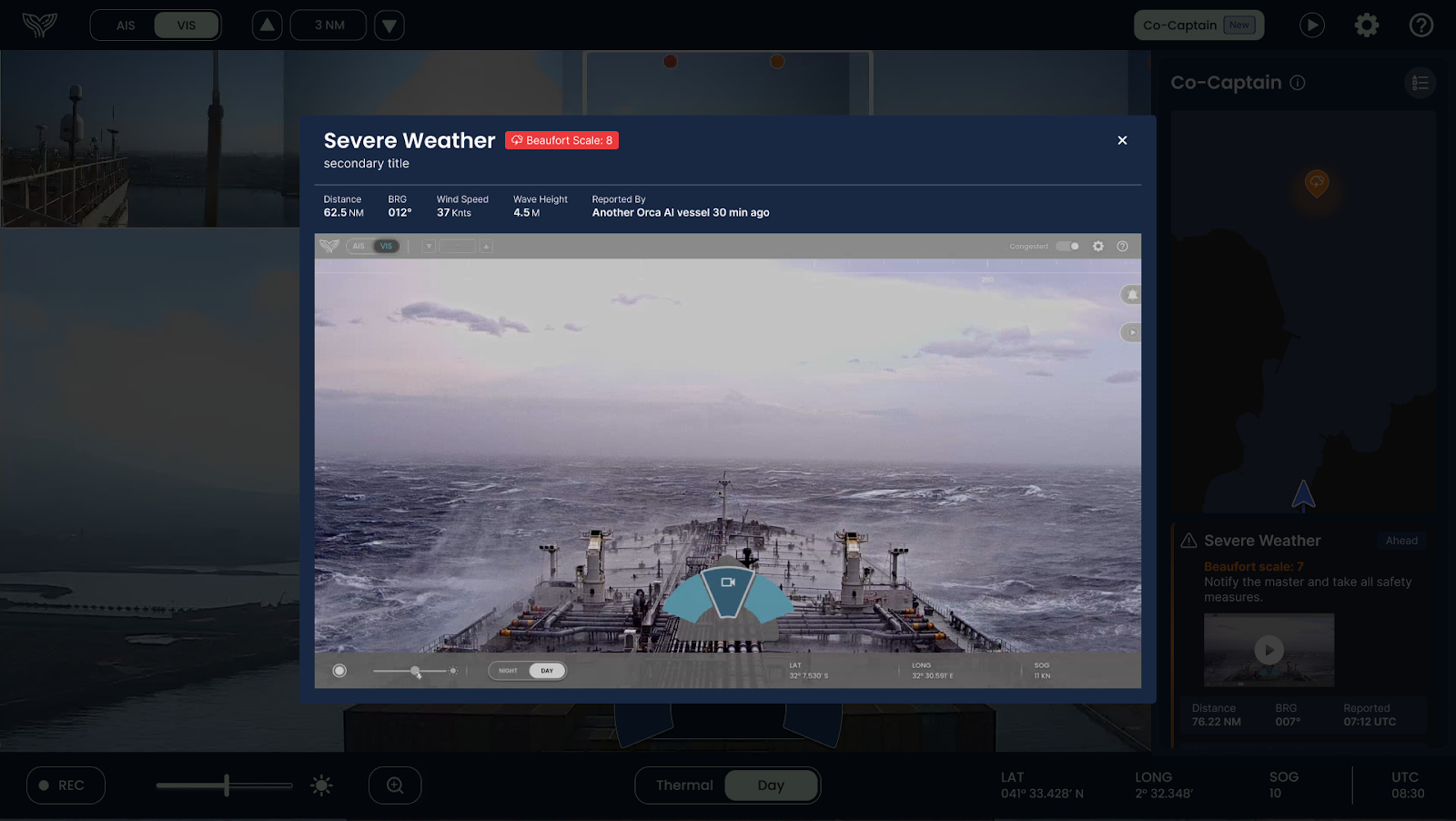
It forms the foundation for the next stage of maritime autonomy, strategic navigation. With real time data from other ships, ports and the cloud, future systems will be able to optimize speed, anticipate hazards and evaluate route options autonomously, with humans maintaining oversight. Tactical autonomy will follow gradually as datasets expand and confidence builds step by step. This mirrors the evolution seen in mobility and aviation, autonomy develops through consistent performance rather than sudden shifts.
The next era of shipping will be safer, more efficient and increasingly autonomous, supported by a growing network and the world’s largest marine visual dataset.
Respect the people who perform the work, build trust through outcomes and design technology that enhances human capability. This is how traditional industries modernize responsibly, and it is the path we are committed to advancing.